
Why Custody Order Violations in Houston Are More Consequential Than Most Parents Realize
Signs the other parent is violating the custody order in Houston are not always obvious. They do not always look like a missed exchange or a phone call that goes unanswered. They appear in subtler patterns — a child returned late without explanation, a scheduled visitation window that keeps being rescheduled, a parent who relocates without court approval, or a household environment that does not align with what was agreed upon in the parenting plan.
Custody orders issued by Texas family courts are legally binding. Violating them is not a civil disagreement between parents — it is contempt of court, and Texas courts take it seriously. When the signs are documented and presented properly, they carry real legal weight.
The difficulty for most parents in this situation is not recognizing that something is wrong. It is knowing which specific behaviors constitute a documentable violation, how that documentation needs to be gathered to hold up in a Texas family court, and what actions on their own part will help rather than harm their legal position.
Understanding these signs — and the professional investigative framework for documenting them — gives parents the clarity and the legal foundation to protect their children and enforce the order they worked to obtain.
How Texas Family Courts Evaluate Custody Order Violations
Signs the other parent is violating the custody order in Houston are evaluated by Texas family courts through a specific framework. Understanding that framework before taking action is what determines whether the documentation a parent gathers will strengthen their position or be dismissed as insufficient.
The legal standard is material and substantial violation. Not every deviation from a custody order rises to the level of legal action. Texas courts distinguish between technical violations and material and substantial violations that reflect a pattern of disregard for the order or that place the child’s welfare at risk. A violation becomes legally actionable when it is documented as a pattern, not an isolated incident.
The burden of proof rests with the complaining parent. A parent who believes the custody order is being violated must be able to demonstrate it with documented evidence — not assertions, and not the child’s account alone. Texas courts require factual documentation: dates, times, locations, specific behaviors, and a clear connection between what was observed and what the order requires.
The best interest of the child is the controlling standard. All custody-related decisions in Texas family courts are governed by the best interest of the child, so the most persuasive evidence connects the violation directly to an impact on the child’s welfare — not simply evidence that the other parent is disregarding the order. The complaining parent’s own conduct is also evaluated: a parent who responds by withholding court-ordered visitation, coaching the child, or taking unilateral action outside the order can damage their own position regardless of what the other parent has done.
7 Signs the Other Parent Is Violating the Custody Order in Houston
Each of the following is a documented pattern that investigators see in custody cases across Houston, and each one requires a specific approach to documentation.
- Consistent failure to comply with the exchange schedule — late pickups, early returns, missed exchanges, and unilateral schedule changes documented across multiple dates with specific times recorded.
- Interference with the other parent’s communication rights — unanswered calls during court-ordered communication windows, a child who reports their phone has been taken away, and systematic inaccessibility during designated contact times.
- Unauthorized relocation or extended travel with the child — moving residence without notification or taking the child out of state without consent, in violation of a geographic restriction that required advance notice or court approval.
- Exposure of the child to unsafe conditions or prohibited individuals — documented contact with a person the order specifically excludes, substance use, or an unsafe environment. This category carries the greatest weight because it connects directly to child safety.
- Consistent failure to provide required information — withholding details about the child’s school enrollment, medical providers, health events, or activities that the co-parent is legally entitled to receive.
- Parental alienation behaviors that violate co-parenting provisions — disparaging the co-parent to the child, scheduling competing activities during the other parent’s possession time, or otherwise undermining the child’s relationship with the other parent.
- Withholding the child beyond the court-ordered possession period — keeping the child past the scheduled return time without agreement from the other parent and without court authorization, which is a direct contempt of the order.
A single late pickup is a technical violation. A pattern of non-compliance — documented across multiple dates — is a material violation that courts take seriously. Relocation violations in particular are the cases where parents most often call us in crisis: the child has been moved without notice and a geographic restriction has been ignored. In those situations delay is the enemy of enforcement, and the documentation trail needs to be established immediately.
Document before confronting. Consult before acting unilaterally. Documentation that is specific, consistent, and child-centered is what makes the protection enforceable.
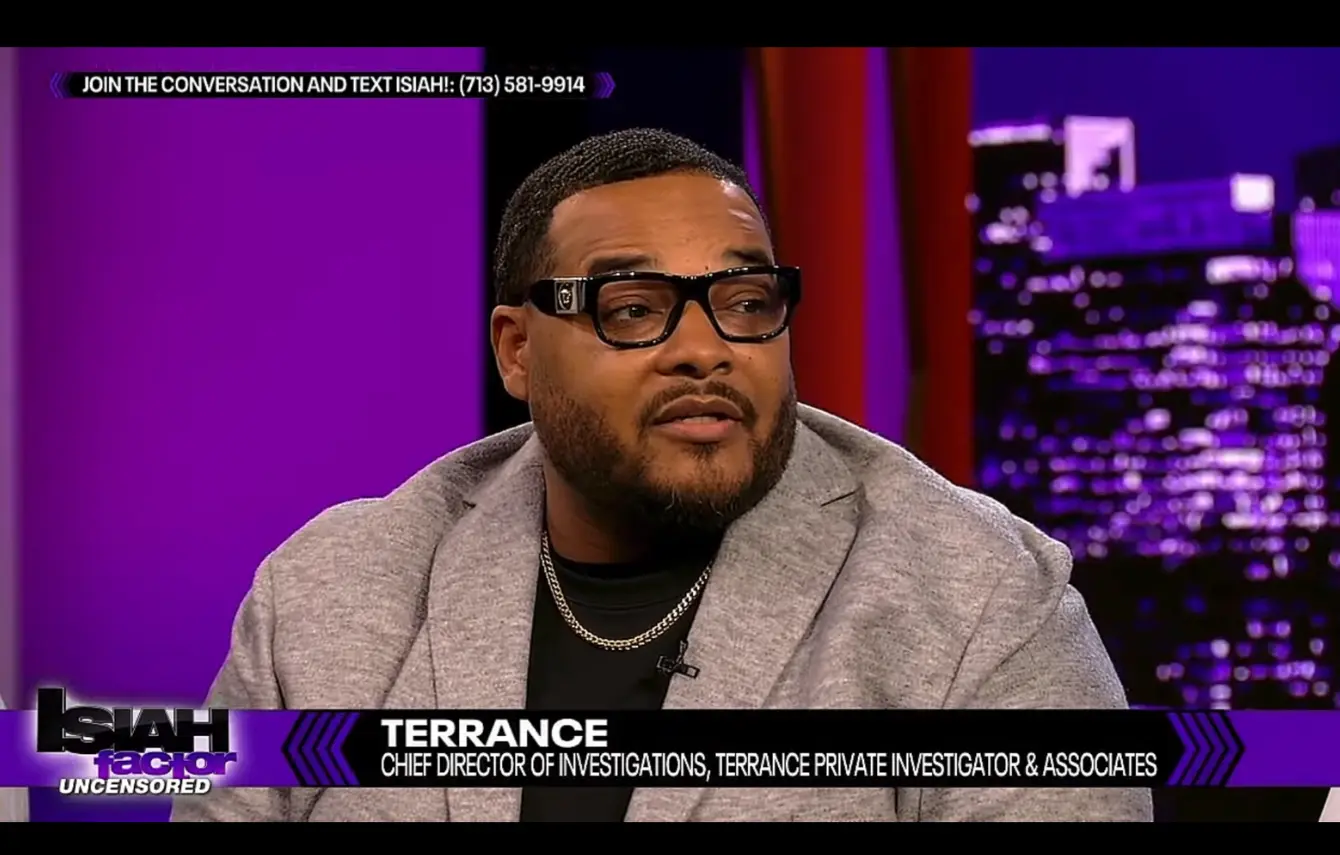
Terrance Private Investigator & Associates
What Investigators Actually See in Custody Violation Cases in Houston
In custody cases handled across Houston, the documentation challenges that most often undermine a parent’s legal position are not caused by a lack of violations to document. They are caused by how the parent responded to the signs before professional help was involved.
The most consistent field observation is the escalation pattern. A parent notices signs of violation and responds by confronting the other parent directly. The confrontation produces conflict, which produces counter-allegations, which produces a case where both parents are pointing at each other and the documented facts get buried in conflicting narratives. Courts see this pattern constantly, and it weakens both parties’ positions.
A second consistent finding involves documentation gaps at critical moments. Parents who recognize violations often begin documenting inconsistently — recording some incidents and missing others, saving some messages and deleting others. When presented in court, those gaps become opportunities for the other side to challenge the pattern.
The cases that produce the clearest outcomes involve parents who contacted us early — when the signs were becoming a pattern but before significant conflict had escalated. The documentation gathered in those cases is objective, consistent, and built around the child’s experience and welfare rather than the parental conflict.
How a Licensed Investigator Documents Custody Order Violations in Houston
A licensed investigator does not coach children, intercept communications, access private accounts, or conduct surveillance in ways that violate the subject’s legal rights. Every element of the documentation methodology below operates within Texas law and is specifically designed for the evidentiary standards of Texas family court proceedings.
- Court order review and violation mapping — reviewing the specific terms of the order before any documentation begins, identifying the exact provisions being violated, and building the framework around those requirements.
- Exchange surveillance and documentation — recording custody exchanges with timestamped video and photographs that establish exactly when the exchange occurred, who was present, and the condition of the child.
- Residence and environment investigation — documenting the other parent’s current residence, household composition, and environment through lawful observation, which is critical in relocation and unsafe-condition cases.
- Pattern documentation across multiple dates — establishing that the violations are a consistent pattern rather than isolated incidents, because Texas courts give significantly more weight to documented patterns.
- Behavioral observation at exchanges — documenting the child’s condition and demeanor to provide objective evidence of how possession time is affecting the child, without requiring the child to testify.
- Court-ready report preparation — delivering a factual, chronologically organized report with indexed photographs, timestamped video references, GPS-verified location data, activity logs, and a summary narrative structured for attorney review.
When Custody Order Violations in Houston Warrant Professional Investigation
Not every tension in a co-parenting relationship rises to the level of a custody order violation. Professional investigation is warranted when:
- The same type of violation has occurred on multiple occasions and informal communication has not resolved it.
- The violations involve the child’s safety — prohibited individuals, substance use, or an unsafe living environment.
- The other parent has relocated or is showing signs of preparing to relocate in violation of geographic restrictions.
- The child is being returned in a condition that raises serious concern about what is occurring during possession time.
- Communication rights are being systematically denied as a consistent pattern.
- Signs of parental alienation are sustained and escalating rather than isolated incidents.
- You need documented evidence before filing a motion for enforcement or modification, or your attorney has recommended professional documentation to support the legal action you are preparing.
A parent who responds to violations by violating the order themselves — withholding court-ordered visitation, taking the child out of state without approval, or engaging in retaliatory behavior — hands the other parent’s attorney a counter-narrative that can neutralize even well-documented violations.
The Path Forward Is Documentation, Not Confrontation
Signs the other parent is violating the custody order in Houston are not simply a co-parenting conflict. They are documented deviations from a legally binding court order — and when they reflect a pattern that affects the child’s welfare, Texas family courts have the tools to enforce that order and hold the violating parent accountable.
The path to that outcome is documentation. Not confrontation, not retaliation, and not unilateral action that creates a parallel set of violations for the other side to point to. Documentation that is specific, consistent, child-centered, and gathered through lawful means is what gives a parent the legal foundation to protect their child and enforce the order they worked to obtain.
Recognizing the seven signs, understanding the evidentiary framework Texas courts apply, and knowing how a licensed investigator builds that documentation professionally gives parents the clarity to act effectively rather than reactively. The child’s welfare is what the order was designed to protect. The documentation is what makes that protection enforceable. Clarity begins with facts, not assumptions.
Frequently Asked Questions
What counts as violating a custody order in Texas?
Withholding the child, chronic late or missed exchanges, taking the child out of the area without authorization, making unilateral school or medical decisions, or exposing the child to restricted individuals can all be violations under the Texas Family Code.
What should I do if I think the other parent is violating our order?
Keep a dated record of every incident, communicate in writing, and do not violate the order yourself in response. Documented patterns — not single incidents — are what courts act on.
Can a private investigator help with custody violations?
Yes. A licensed investigator can lawfully document what is actually happening during the other parent’s time and produce court-ready evidence for an enforcement or modification motion.
When should I involve my attorney?
As early as possible. Coordinating documentation with your family law attorney ensures the evidence is gathered and presented in a way the court can act on.
Contact Us
If something in your own situation feels unresolved, you do not have to sort through it alone. Terrance Private Investigator & Associates helps clients across Texas turn uncertainty into clear, documented facts — discreetly, professionally, and with your best interests guiding every step.
Reach out today for a confidential consultation. Tell us what you are dealing with, and we will help you understand your options and the best way forward. We will take it from there.
Email: getanswers@piterrance.com Website: piterrance.com Call : (833) 495 0003